
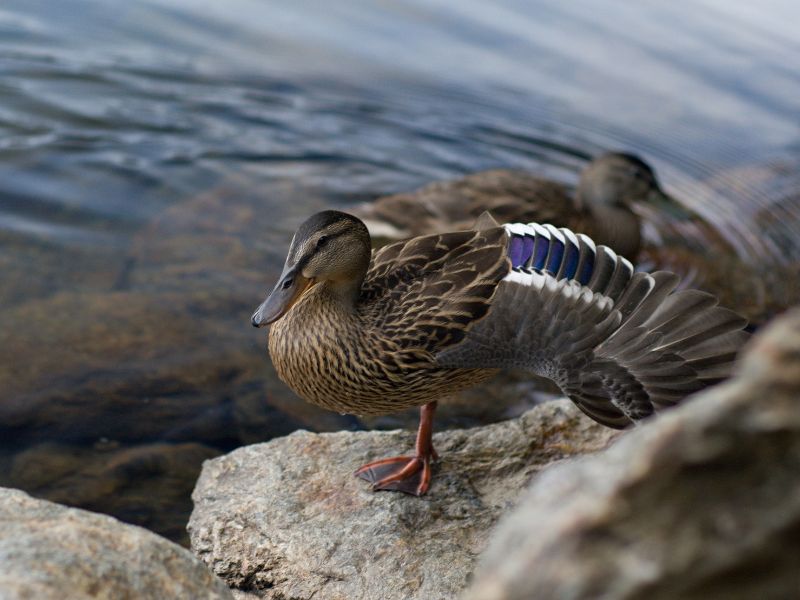
How long do wild ducks live when they have to find their own food, avoid predators, survive severe weather, and navigate changing wetlands? For many wild ducks, life expectancy is measured in several years rather than decades, although some individuals survive remarkably long. The answer varies by species, habitat, age, and environmental pressure, so there is no single number that accurately describes every wild duck.
- Why Is A Sunflower Yellow: Unveiling the Mystery Behind the Yellow Blooms
- How Long Does It Take for Plastic to Decompose: 7 Surprising Facts
- When To Plant Potatoes In Arkansas: Choose The Best Time
- 5 Key Insights on How Long Would It Take to Get to Mercury
- Do Dogwood Trees Smell: Unveiling Their Fragrant Secret
1. How long do wild ducks live in natural habitats?
A reasonable general estimate is that many wild ducks can live around 5–10 years, but that range should be treated as a broad guide rather than a universal rule. Some species typically have shorter lives, while individual ducks that survive their most dangerous early years can potentially live much longer.
You're reading:: How Long Do Wild Ducks Live: 7 Factors That Matter
The biggest reason online answers can look contradictory is that average lifespan, life expectancy, and maximum recorded age are three different things.
A duck population may experience substantial mortality among ducklings and young birds, which pulls down the typical survival of the population. Meanwhile, a small number of exceptionally successful individuals can survive for 15, 20, or even more years.
The North American Bird Banding Program provides a striking example. Its current longevity records include a Mallard that reached a minimum recorded age of 27 years and 7 months, while Wood Duck, American Black Duck, Northern Pintail, Blue-winged Teal, and several other species have also produced individuals exceeding 20 years.
That does not mean wild Mallards normally live for 27 years. It means that at least one documented individual survived that long.
Cornell Lab of Ornithology likewise records the oldest known Mallard as a male that was at least 27 years and 7 months old when recovered in Arkansas in 2008.
So, when someone asks how long do wild ducks live, the most useful answer is not simply “five years” or “ten years.” It is more accurate to say that many wild ducks live several years, some reach a decade or more, and exceptional individuals can survive for more than two decades.
2. 7 Factors that shape how long wild ducks live
A wild duck does not have a predetermined expiration date. Its chances of reaching old age are influenced by a combination of biological and environmental pressures.
2.1. Survival during the first year
For a young duck, the first year can be particularly challenging.
Ducklings are small, inexperienced, and vulnerable to predators. They may also be exposed to cold weather, flooding, drought, poor food availability, disease, and accidents before they become strong enough to fly effectively.
This creates an important statistical effect: a species can have individuals capable of living for many years while still experiencing high mortality among young birds.
Once a duck reaches adulthood, it has already passed some of the most dangerous stages of its life. A mature duck that successfully finds food, avoids predators, and survives seasonal hazards has a better chance of adding additional years.
This is why simply dividing the maximum recorded age by some number does not tell us how long do wild ducks live on average.
2.2. Predators can dramatically shorten a duck’s life
Predation is one of the most obvious differences between wild and protected ducks.
Ducklings may be vulnerable to large fish, turtles, snakes, raptors, mammals, and other predators. Eggs and nests face another set of threats, including animals that raid nests on the ground.
Adult ducks are considerably more capable of escaping danger, but they are not invulnerable. Birds of prey and other predators can still kill them, particularly when ducks are feeding, nesting, molting, or otherwise unable to fly normally.
Habitat structure matters here. Dense vegetation around wetlands can provide hiding places for ducklings and nesting females, while open water can sometimes make birds more exposed.
The result is that two ducks of the same species can face very different survival prospects depending on where they live.
2.3. Food availability affects long-term survival
A duck needs more than simply “enough food.” It needs access to appropriate foods throughout the year.
Mallards provide a useful example because they are highly adaptable generalist foragers. Cornell notes that they eat seeds and aquatic vegetation, while during breeding season they consume considerable animal matter such as aquatic insect larvae, earthworms, snails, and freshwater shrimp. During migration, they may consume substantial amounts of agricultural seed and grain.
A wetland with abundant aquatic vegetation and invertebrates can therefore provide very different nutritional opportunities from a degraded pond with little natural food.
Seasonal changes matter, too. A food source that is abundant in spring may become scarce later in the year. Migratory ducks must also find suitable feeding areas along their routes.
Poor nutrition may not kill a duck immediately, but it can weaken the bird, reduce its ability to cope with stress, and make it more vulnerable to disease and other threats.
2.4. Habitat quality can add or remove years
A healthy wetland is much more than a place where ducks happen to swim.
Read more: : Do Ducks Eat Grapes: Unveiling Their Eating Habits
Ducks need suitable places to feed, rest, molt, nest, and raise young. Some species prefer shallow wetlands, while others make greater use of deeper water. Some feed in marshes or agricultural landscapes, while others spend substantial time along rivers, lakes, estuaries, or coastal habitats.
Mallards, for example, use an exceptionally broad range of wetland environments, including ponds, lakes, marshes, river floodplains, reservoirs, estuaries, farms, and even roadside ditches.
When suitable habitat is lost or degraded, ducks may have fewer places to find food and shelter. Pollution and poor water quality can create additional problems.
Cornell specifically identifies threats to Mallards that include poor water quality, mercury, pesticides, selenium pollution, wetland clearing or drainage, oil spills, and lead poisoning.
In other words, habitat quality can influence not only where ducks live, but also whether they have a realistic opportunity to reach old age.
2.5. Migration makes life more demanding
Many wild ducks are migratory, and migration adds another layer of risk.
A migrating duck may travel hundreds or thousands of miles between breeding and wintering areas. Along the way, it needs suitable places to stop, rest, and refuel.
Weather can suddenly change the conditions along a migration route. Strong storms, extreme cold, drought, or a lack of suitable stopover habitat can increase the energy demands of the journey.
Yet migration also gives ducks access to seasonal food resources that may be unavailable elsewhere.
This creates a fascinating trade-off: migration can be demanding and dangerous, but it can also be an essential strategy for accessing food and suitable breeding conditions.
For a long-lived individual, successfully navigating these seasonal movements year after year is a remarkable achievement.
2.6. Disease and environmental hazards matter
Wild ducks are exposed to microorganisms, parasites, contaminated environments, and other health risks that a protected domestic bird may encounter less frequently.
Disease risk can increase when birds congregate in large numbers, particularly where food, water, and space are limited.
Environmental contamination is another concern. Cornell notes that Mallards can be affected by pollutants such as mercury, pesticides, and selenium, while ingestion of lead shot has historically caused poisoning in waterfowl.
These pressures don’t affect every individual equally. A duck living in a relatively healthy wetland may face very different risks from one repeatedly exposed to polluted water or contaminated feeding areas.
2.7. Human activity can help or hurt
Humans have a complicated relationship with wild ducks.
Wetland restoration and habitat protection can create valuable feeding and breeding areas. Bird banding programs also provide scientists with information about movement, survival, and longevity.
The U.S. Fish & Wildlife Service explains that reports of encounters with banded ducks help document movements, longevity, and sources of mortality, providing information that can contribute to wildlife management and conservation decisions.
At the same time, habitat destruction, pollution, collisions, disturbance, and other forms of human activity can create serious risks.
This makes conservation more important than simply asking how long do wild ducks live. If the goal is to help populations thrive, protecting the conditions that allow ducks to survive and reproduce matters far more than trying to extend the life of an individual bird.
3. Do all wild duck species have the same lifespan?
Definitely not.
“Wild duck” describes a huge collection of species with different body sizes, feeding strategies, habitats, migration patterns, and reproductive behaviors. Their survival rates and maximum ages can therefore differ substantially.
The North American Bird Banding Program’s longevity records demonstrate this variation. Current records include:
| Wild duck species | Longest documented age in the North American Bird Banding Program |
| Mallard | 27 years, 7 months |
| American Black Duck | 26 years |
| Blue-winged Teal | 23 years, 3 months |
| Wood Duck | 22 years, 6 months |
| Northern Pintail | 22 years, 3 months |
| Canvasback | 22 years, 7 months |
| Gadwall | 19 years, 4 months |
| Northern Shoveler | 16 years, 7 months |
These are longevity records, not typical lifespans. They show what is biologically possible for documented individuals, not what most ducks should be expected to reach.
That distinction is especially important when comparing species. A species with a 20-year record doesn’t mean most members of that species routinely survive two decades.
4. Why some wild ducks live much longer than expected
Read more: : Japanese Forest Grass Companion Plants: Perfect Complements for a Tranquil Garden
There is a fascinating survivorship effect at work.
Imagine 100 ducklings leaving their nests. Some may die before reaching adulthood because of predators, disease, weather, food shortages, or other hazards. The ducks that remain have already demonstrated an ability to survive those challenges.
A mature duck that is healthy, experienced, and living in productive habitat can therefore accumulate years that most of its younger counterparts never reach.
This helps explain why a wild duck can have both a relatively modest typical lifespan and a surprisingly high longevity record.
The North American Bird Banding Laboratory emphasizes this distinction itself: maximum longevity records reveal the age limit reached by individual birds, while researchers may find averages or survival rates more useful for understanding populations.
So if you see a Mallard that looks particularly old, it is entirely possible that you’re looking at a bird that has survived many seasons of predators, weather, migration, competition, and environmental change.
5. How do scientists know how old a wild duck is?
Scientists cannot usually determine a duck’s exact age simply by looking at it once it has reached adulthood.
Bird banding provides a much more reliable method.
A duck can be captured and fitted with a small identification band. If that bird is later recaptured, observed, or recovered, researchers can connect the new encounter with the original banding record.
Over many years, these records create a valuable picture of movement and longevity.
The U.S. Geological Survey explains that its North American Bird Banding Program calculates a bird’s minimum age using information about its age when banded and the date of a later encounter. The database contains longevity records verified by Bird Banding Laboratory biologists.
That is how extraordinary ages such as the Mallard’s 27-year record can be documented rather than simply guessed from appearance.
6. Does a wild duck live longer than a domestic duck?
Usually, domestic ducks have better opportunities to reach advanced ages because many of the hazards of wild living are reduced.
A protected domestic duck may have consistent food, clean water, shelter, protection from predators, and access to veterinary treatment. Wild ducks have to find these resources themselves while dealing with predators, environmental fluctuations, migration, and other pressures.
However, comparing the two directly can be misleading because domestic ducks and wild ducks are not necessarily exposed to the same conditions or even the same genetic pressures.
The more useful question is what happens when the major causes of mortality are removed. When food shortages, predators, severe weather exposure, and untreated illness are reduced, a duck’s biological potential for longevity becomes much easier to realize.
7. Can a wild duck really live for 20 years?
Yes, although it is exceptional rather than ordinary.
The banding records provide strong evidence that some wild ducks can reach or exceed 20 years. The Mallard record of 27 years and 7 months is particularly striking, while several other North American duck species have documented individuals older than 20 years.
But there is an important statistical lesson here: possible does not mean typical.
A record-holder represents the extreme end of survival. Most wild ducks will not come close to that age.
If you’re trying to estimate the age of a particular duck you see at a pond, therefore, its appearance alone won’t tell you whether it is three years old or fifteen.
8. What is the realistic answer to how long do wild ducks live?
For everyday purposes, it is reasonable to think of many wild ducks as birds that can live several years, often around 5 – 10 years when discussing broad lifespan estimates, with substantial variation among species and populations. Some individuals die much younger, particularly during vulnerable early life stages, while a small number survive into their teens or beyond.
The most remarkable records show that wild ducks can occasionally live for more than two decades. The Mallard’s verified 27-year, 7-month record is a powerful reminder that wild animals can be far more resilient than their average survival statistics suggest.
A duck that reaches old age has accomplished something genuinely impressive. It has survived its vulnerable juvenile period, found reliable food, avoided predators, endured changing seasons, navigated its habitat, and if migratory – completed countless journeys between seasonal ranges. That makes how long do wild ducks live more than a simple numbers question. A broad estimate may be 5 – 10 years for many species, but exceptional individuals can pass 20 years, revealing just how much survival and adaptability these familiar waterbirds can possess.
You may consider:
Source: https://magnetmix.com
Category: Discovery


