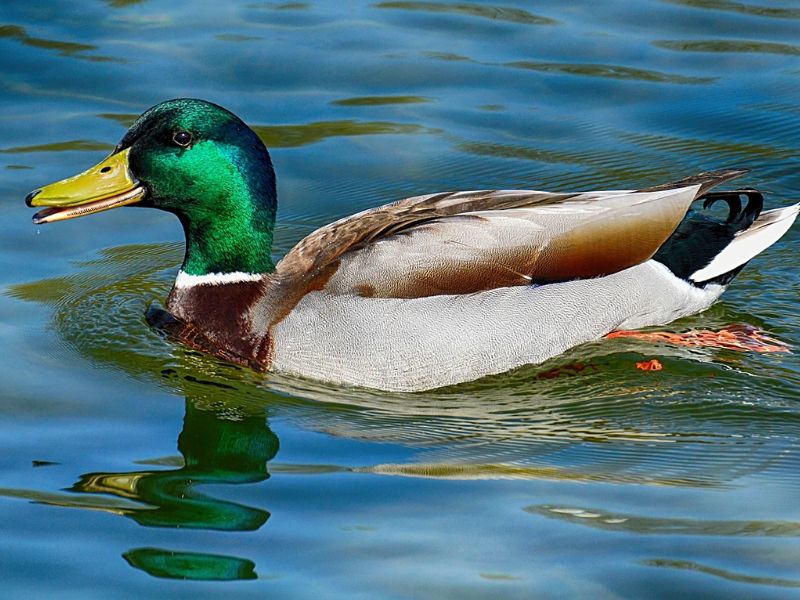
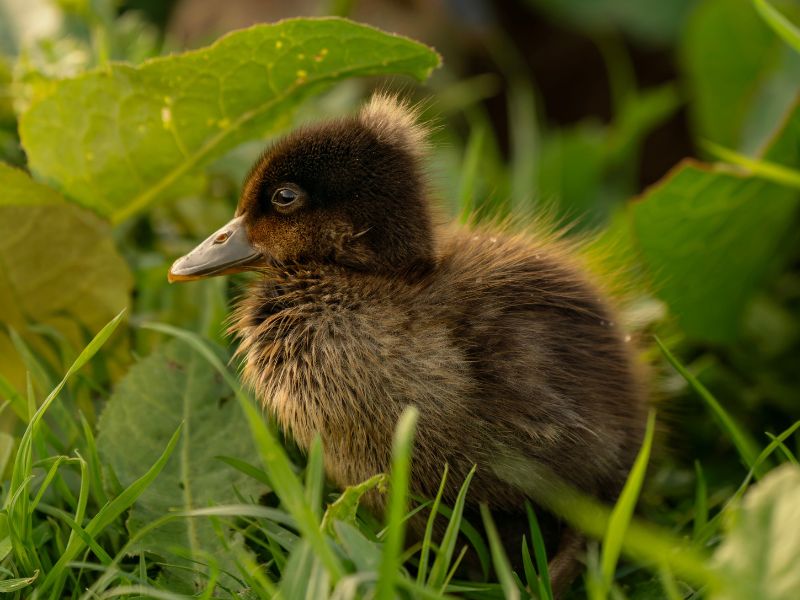
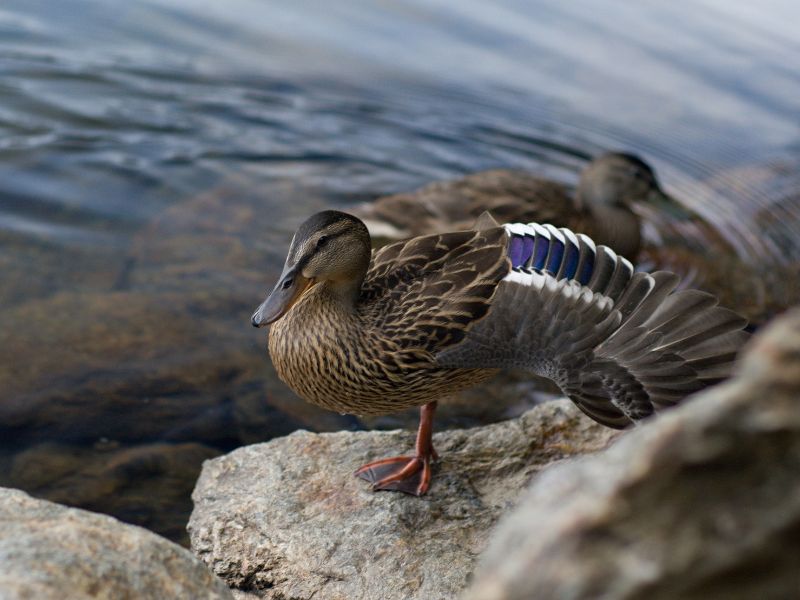
When do wild ducks lay eggs? For most wild ducks in temperate regions, egg-laying is closely tied to spring, when longer days, warmer weather, and improving food supplies create better conditions for raising ducklings. The exact timing varies by species, latitude, weather, and habitat. Mallards, for example, may begin nesting as early as late February in some regions, while northern populations may start considerably later in spring.
- How To Attract Chipmunks: Tips And Tricks For Attracting Chipmunks To Your Yard
- 5 Key Insights on How Long Would It Take to Get to Mercury
- How to Catch Wild Ducks: 7 Ingenious Methods You Can Try
- Are Ducks Smart: 9 Amazing Facts About Their Intelligence
- Do Deer Eat Creeping Phlox? Unveiling the Truth Behind Deer Feeding Habits
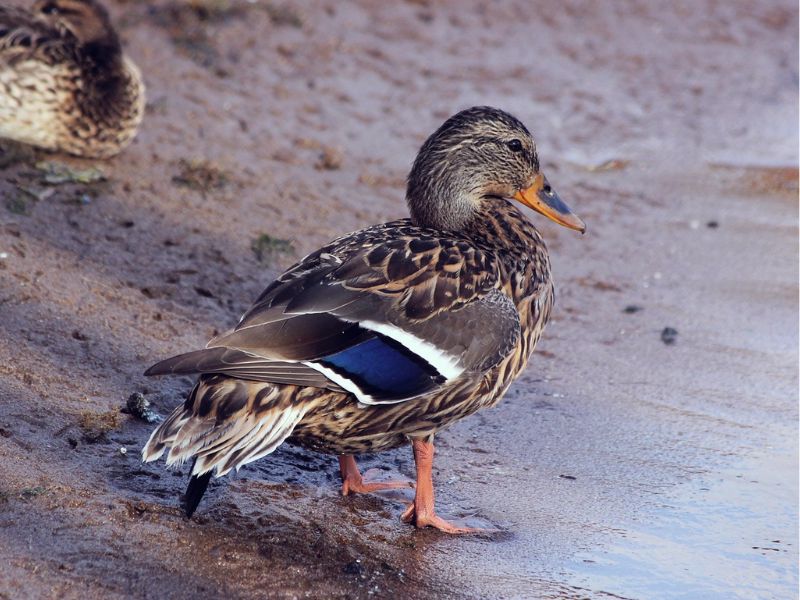
When do wild ducks lay eggs?
For many wild ducks, egg-laying takes place from spring into early summer. The exact window is not the same everywhere because different species and populations respond to local conditions.
You're reading:: When Do Wild Ducks Lay Eggs: 7 Key Facts
Mallards provide a useful example. The U.S. Fish & Wildlife Service reports that Mallards commonly build nests between April and May in parts of the United States, while breeding can continue into August. Other regional wildlife sources record egg-laying from late February through May in warmer areas and from April through July farther north.
This variation means there is no single calendar date for wild ducks to begin laying eggs. A female may start earlier in a mild southern climate or later after a cold spring in a northern breeding area.
Research on Mallards in west-central Illinois found that first nests were typically initiated between April 22 and May 6, with 75% of nests started by May 20.
1. Spring is the main egg-laying season
Spring is the key breeding period for many wild ducks because environmental conditions become more favorable for reproduction.
As winter fades, increasing daylight and rising temperatures help trigger seasonal breeding behavior. Wetlands also become important sources of food, providing seeds, aquatic plants, insects, and other invertebrates that support females during egg production and nesting.
For migratory Mallards, spring migration brings many birds back toward their breeding grounds. Ducks Unlimited notes that birds arriving earlier can gain access to preferred nesting areas and have more time to attempt another nest if the first one fails. Weather can shift this schedule, particularly when cold conditions keep northern wetlands frozen.
2. Wild ducks do not all lay eggs at the same time
The phrase “wild ducks” covers many different species, so their nesting calendars can differ considerably.
Latitude is one of the biggest influences. Ducks breeding farther south may begin nesting weeks earlier than populations in colder northern regions. Local food availability, weather, habitat conditions, migration patterns, and individual reproductive condition can also affect timing.
Mallards illustrate this geographic variation particularly well. In Texas, nesting may begin around April, while Mallards in more northern parts of Canada may not begin nesting until much later.
This is why seeing a duck with eggs in March does not necessarily mean every wild duck population has started breeding. It may simply reflect the species and climate of that particular location.
3. Female Mallards usually lay one egg at a time
Once a suitable nest has been prepared, the female Mallard does not normally produce the entire clutch in one day. She typically lays about one egg per day.
Ducks Unlimited reports that female Mallards generally produce around 8–13 eggs, while Cornell Lab of Ornithology gives a broader recorded clutch range of 1–13 eggs. Regional populations can therefore show some variation in clutch size.
The nest is usually a shallow depression on the ground, often concealed by vegetation. The female uses grasses and other plant material and adds down feathers to help insulate the eggs.
Read more: : Are Ducks Smart: 9 Amazing Facts About Their Intelligence
Because the eggs are laid over several days, a nest containing only a few eggs may not represent the final clutch. The female may still be in the process of completing it.
4. Incubation usually begins after the clutch is complete
One interesting part of the answer to when do wild ducks lay eggs is that egg-laying and incubation are two separate stages.
A female Mallard generally continues laying until her clutch is complete before committing to full-time incubation. This helps synchronize hatching so that the ducklings emerge within a relatively short period.
For Mallards, incubation typically lasts about 23–30 days. Ducks Unlimited gives a typical range of 26–30 days, while Cornell Lab lists 23–30 days.
During this period, the female spends most of her time protecting and warming the eggs. She may leave the nest periodically to feed, but she keeps these absences relatively brief.
5. Nesting can continue after a failed attempt
A wild duck does not necessarily get only one opportunity to raise a brood.
Predators, flooding, disturbance, weather, and other factors can cause a nest to fail. When this happens, some females may attempt to nest again during the same breeding season.
A long-term study of Mallards in west-central Illinois found that 50%–85.7% of unsuccessful females renested, with adult females more likely to renest than yearlings in that study.
This helps explain why the overall nesting season can last for several months. Early nests may be followed by later attempts, so finding a duck nest in June or even July does not necessarily mean the birds started breeding unusually late.
6. Weather can shift the timing of egg-laying
Weather is another major factor behind the question of when do wild ducks lay eggs.
Research on breeding ducks in North Dakota found that warmer spring temperatures were associated with earlier nesting in Mallards. The study also found that warmer conditions in May were associated with earlier peak hatching dates.
Cold conditions can have the opposite effect. If wetlands remain frozen or food is difficult to find, breeding activity may be delayed. A warm spring can accelerate migration and nesting, while prolonged cold weather can push the schedule later.
This means the same species can have noticeably different nesting dates from one year to another.
7. Ducklings arrive soon after incubation ends
Once incubation is complete, Mallard ducklings hatch relatively close together and are ready to leave the nest surprisingly quickly.
Cornell Lab reports that newly hatched Mallard ducklings are covered in down and can leave the nest within roughly 13–16 hours. Ducks Unlimited similarly notes that ducklings leave the nest within about a day after the final egg hatches.
Read more: : Do Deer Eat Creeping Phlox? Unveiling the Truth Behind Deer Feeding Habits
The mother then leads them toward suitable wetland habitat, where the young begin feeding and developing their swimming and foraging skills. The ducklings remain dependent on their mother for protection while they grow, even though they are mobile soon after hatching.
When do wild ducks lay eggs in different months?
The exact calendar can vary, but a general pattern is useful:
- February–March: Some Mallards in warmer southern regions may begin nesting.
- April: Nesting becomes widespread across many temperate regions.
- May: Active nesting is common, particularly across northern areas.
- June: Later nests and replacement attempts may still be underway.
- July–August: Some populations may continue nesting or produce replacement broods, depending on location and conditions.
These months should be treated as a broad guide rather than a universal schedule. Regional records show that Mallard egg dates can extend across a much wider period than a simple “spring only” description suggests.
Why do wild ducks lay eggs in spring?
Spring offers several advantages for raising ducklings. Longer daylight provides more time for feeding, while warming temperatures improve access to aquatic habitats. At the same time, wetlands can offer abundant insects and other protein-rich foods that growing ducklings need.
Timing reproduction around these seasonal changes gives newly hatched ducklings a better opportunity to find food and grow before conditions become difficult again.
For migratory species such as Mallards, the timing also connects migration with reproduction. Birds return to breeding areas as conditions improve, establish nests, raise their young, and later transition into post-breeding activities and migration.
Do wild ducks lay eggs every day?
Many female ducks lay approximately one egg per day while completing a clutch, but this does not mean they produce eggs continuously throughout the year.
For Mallards, a female generally builds her clutch during the nesting period and then begins incubation. After the eggs hatch, her biological priorities shift toward caring for the brood rather than producing another clutch immediately.
The number of eggs also varies. Cornell Lab records Mallard clutch sizes from 1–13 eggs, while Ducks Unlimited gives a typical range of 8–13 eggs.
When do wild ducks lay eggs in relation to mating?
For species such as Mallards, mating and egg-laying are separated by part of the annual reproductive cycle.
Mallards begin forming pair bonds during fall and early winter, even though nesting takes place later. Ducks Unlimited reports that Mallard pair bonds typically last around 6–8 months and continue through migration toward breeding areas.
By spring, the female selects a nesting site and begins preparing for egg production. This means seeing a pair of Mallards together during winter does not necessarily mean they are already nesting. Their courtship and pair formation can occur months before eggs appear.
When do wild ducks lay eggs: It depends on the location
The simplest answer is spring and early summer, but the real timing is more flexible. Southern populations may begin much earlier, while northern ducks can wait until warmer conditions arrive. Mallards may lay eggs from late winter through summer depending on region, weather, migration, and whether a female needs to make another nesting attempt.
Knowing when “do wild ducks lay eggs” is therefore less about finding one exact month and more about understanding the seasonal rhythm of wild waterfowl. Egg-laying is timed around favorable conditions for incubation, hatching, and raising young, giving ducklings the best possible start during the breeding season.
You may consider:
Source: https://magnetmix.com
Category: Discovery