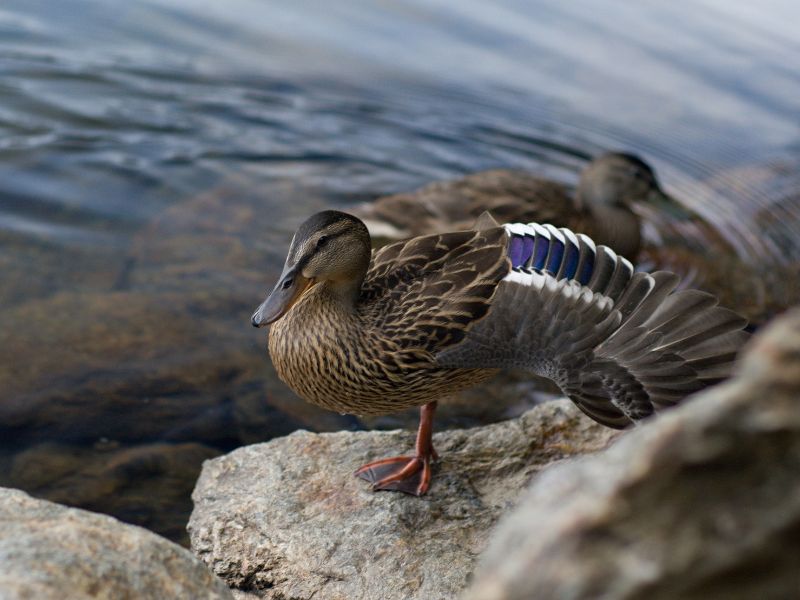
What do wild ducklings eat when they are growing up in ponds, marshes, rivers, and other natural habitats? Their menu is much more interesting than the bread often tossed to ducks in city parks. Young wild ducks commonly forage for aquatic insects, larvae, worms, tiny crustaceans, mollusks, seeds, algae, and tender vegetation. The exact mix varies by species, habitat, season, and the duckling’s stage of development.
- How To Attract Chipmunks: Tips And Tricks For Attracting Chipmunks To Your Yard
- Japanese Forest Grass Companion Plants: Perfect Complements for a Tranquil Garden
- Dusty Miller Companion Plants: Enhancing Your Garden with Perfect Pairings
- Do Rabbits Eat Hydrangeas And 7 Effective Ways to Keep Them Out of Your Garden
- How Long Would It Take to Get to Venus: 7 Fascinating Facts
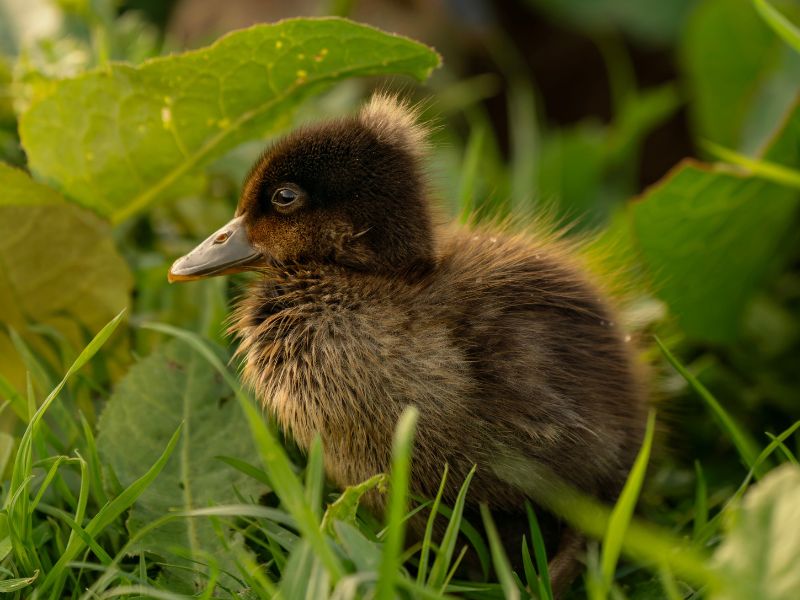
1. What do wild ducklings eat in their first weeks?
Newly hatched ducklings may look tiny and delicate, but they are surprisingly independent. Many species can leave the nest soon after hatching and begin following their mother toward feeding areas. Rather than being fed directly by their parents, ducklings generally learn where and how to forage by following the adult and exploring their surroundings.
You're reading:: What Do Wild Ducklings Eat: 7 Foods to Know
During their earliest weeks, animal-based foods are particularly important. A U.S. Fish & Wildlife Service waterfowl management handbook notes that ducklings of many species feed almost entirely on aquatic invertebrates until roughly a month old, after which dabbling ducklings gradually increase their consumption of seeds and vegetation.
That makes shallow wetlands especially valuable. These areas can provide abundant insect larvae, small aquatic animals, vegetation, and shelter from predators all within a relatively small area.
The diet isn’t identical for every duckling, though. A Mallard brood may forage differently from a Wood Duck or Ruddy Duck brood because each species has its own feeding behavior and preferred habitat. Cornell Lab of Ornithology, for example, describes Mallards as generalist foragers that eat aquatic insect larvae, earthworms, snails, freshwater shrimp, seeds, and aquatic vegetation.
2. 7 Natural foods wild ducklings commonly eat
So, what do wild ducklings eat when they are free to forage? Their natural menu can include a surprisingly broad range of small animals and plant foods.
2.1. Aquatic insect larvae
Tiny insect larvae are among the most valuable foods available to young ducklings.
Depending on the habitat, ducklings may consume larvae from midges, mosquitoes, mayflies, dragonflies, caddisflies, beetles, and other aquatic insects. These creatures are especially accessible in shallow water and among submerged vegetation.
For a rapidly growing duckling, this is a fantastic food source because animal prey provides concentrated protein and other nutrients needed for developing muscles, feathers, and bones.
Cornell’s species accounts provide a good illustration of this pattern. American Black Duck ducklings eat aquatic insects such as mayfly, caddisfly, dragonfly, fly, midge, and beetle larvae, along with crustaceans and mollusks.
2.2. Small aquatic invertebrates
Ducklings don’t stop at insects. Their underwater hunting grounds can also contain a miniature world of worms, tiny crustaceans, water fleas, amphipods, and other invertebrates.
Ruddy Duck ducklings, for example, consume aquatic insects, crustaceans, zooplankton, and other invertebrates. Their diet can include midge larvae, water fleas, worms, amphipods, seed shrimp, snails, and other small aquatic organisms.
These foods are particularly useful because ducklings can encounter them while dabbling, probing through vegetation, or filtering material from shallow water and mud.
2.3. Snails and other mollusks
Small snails may not look like an obvious duckling snack, but they can be an important part of the natural food web.
Young ducks can pick small mollusks from aquatic vegetation, muddy margins, and shallow water. Some species consume considerably more animal matter during breeding season than at other times of year.
For example, Cornell reports that American Black Ducks and their ducklings consume mollusks alongside aquatic insects and crustaceans.
The availability of these foods depends heavily on the wetland. A healthy, naturally vegetated pond can support a much richer collection of small aquatic animals than a heavily disturbed or polluted water body.
2.4. Worms and other soft-bodied prey
Earthworms and similar small prey can also make their way onto a duckling’s menu, particularly when ducklings forage around wet soil, muddy shorelines, grass, and vegetation.
Mallards are known to eat earthworms as well as aquatic insects, snails, and freshwater shrimp, especially during the breeding season when animal foods become more prominent.
This is another reason not to think of wild ducklings as strictly “pond birds.” Depending on their species and surroundings, they may move between water, mud, grass, and shoreline vegetation throughout the day.
2.5. Algae and aquatic plants
Read more: : How Long Do Wild Ducks Live: 7 Factors That Matter
Plant foods become increasingly important as ducklings grow.
They may consume algae, duckweed, pondweed, watermeal, tender shoots, stems, leaves, and other soft aquatic vegetation. These foods provide carbohydrates, fiber, vitamins, minerals, and other nutrients while also forming the habitat where many of their preferred invertebrate foods live.
Mallards, for example, feed by dabbling in shallow water and consuming aquatic vegetation as well as animal prey.
Interestingly, some species remain heavily focused on animal prey during their early development, while others incorporate plant material sooner. The transition isn’t a single switch that happens on one exact day.
2.6. Seeds and grains
As young ducks mature, seeds can become a much more noticeable part of their diet.
Wild ducklings and juvenile ducks may encounter seeds from grasses, sedges, rushes, wetland plants, and other vegetation. Depending on the species and habitat, they may also forage in agricultural areas where waste grain is available.
The U.S. Fish & Wildlife Service lists aquatic plants, wild rice, grass and plant seeds, short grasses, waste grain, insects, snails, shellfish, and fish among common waterfowl foods, while emphasizing that not every duck species consumes all of them.
For many dabbling ducks, the gradual shift toward greater consumption of seeds and vegetation is a normal part of growing from a tiny duckling into a juvenile bird.
2.7. Very small fish or other aquatic prey
Some ducklings can also consume small fish or other relatively larger aquatic prey, although this isn’t universal across duck species.
For instance, U.S. Fish & Wildlife Service information on Canvasbacks notes that females and young consume more animal matter during the breeding season, including aquatic insects and small fish.
The important point is that “wild duckling” isn’t a single dietary category. A duckling’s food choices are strongly influenced by its species and the habitat available around it.
3. Why ducklings need more animal food when they are young
One of the biggest differences between a duckling and a mature duck is the proportion of animal food in the diet.
Young birds are growing at an impressive pace. They need nutrients to develop their muscles, bones, organs, feathers, and eventually the physical abilities required for swimming, escaping predators, and flying.
That helps explain why wetlands with abundant aquatic invertebrates are such important brood-rearing habitats. Research summarized in a University of Alberta thesis found that aquatic invertebrates are integral to wetland function and important for duckling growth and development, with Mallard and Bufflehead ducklings showing preferences for particular aquatic invertebrate prey.
As ducklings grow older, they gradually eat more seeds and plant matter, making their diet increasingly similar to that of many adult dabbling ducks.
So, if you’re wondering what do wild ducklings eat compared with adult ducks, the simplest answer is: young ducklings generally rely more heavily on protein-rich animal foods, while older juveniles can incorporate an increasing amount of plant material.
4. How wild ducklings find their food
Ducklings don’t need a parent to place every meal in front of them. They are able to find and eat food on their own shortly after hatching.
The mother typically leads the brood toward productive feeding areas where the young can explore and forage. Newly hatched ducklings may peck at insects, probe vegetation, dabble in shallow water, and investigate the muddy edges of ponds.
Different species use different feeding techniques.
Mallards are dabbling ducks. They commonly tip forward in shallow water, keeping their heads underwater while searching among aquatic plants and sediments.
Read more: : Do Deer Really Eat Celosia? Discover the Truth!
Other ducks may dive, sift through mud, or use their bills to strain tiny organisms from water. Ruddy Ducks, for instance, can dive into shallow ponds and filter mud through their bills to capture aquatic invertebrates.
This variety of feeding behaviors is one reason healthy wetlands are so valuable. A diverse habitat creates many different opportunities for young ducks to find suitable food.
5. Is bread good for wild ducklings?
No. Bread may be eagerly eaten by ducks, but that doesn’t make it a good food for them.
Bread and other highly processed human foods can fill a duck’s stomach without supplying the balanced nutrition a growing bird needs. This is especially concerning for ducklings, which have high nutritional requirements as their bodies develop.
Audubon specifically advises against feeding wild ducks bread and notes concerns about nutritional problems associated with inappropriate human food, including the wing deformity commonly known as “angel wing.”
There is also a broader wildlife-management issue: routinely feeding wild birds can encourage them to congregate around people rather than forage naturally.
If you encounter a healthy wild duck family at a pond, the most helpful approach is usually to leave them undisturbed and allow them to forage naturally.
6. What makes a good habitat for growing ducklings?
Knowing what do wild ducklings eat also reveals something important about the habitats they need.
A productive duckling habitat isn’t simply a large body of clean-looking water. It needs a combination of shallow water, aquatic vegetation, muddy or moist feeding areas, insects and other invertebrates, and protective cover.
The U.S. Fish & Wildlife Service notes that the value of a wetland to waterfowl depends partly on the presence, timing, and duration of water because these conditions influence the availability of plants and animal foods.
Vegetation is particularly valuable because it serves two purposes at once: it provides food directly and creates habitat for the insects and aquatic organisms that ducklings eat.
For a mother duck, a shallow, well-vegetated wetland can therefore function like a natural nursery—food is nearby, cover is available, and the young can practice their foraging skills without traveling far.
7. Frequently asked questions about wild duckling diets
Do wild ducklings eat grass?
Yes. Many duck species consume grasses and other tender vegetation. However, very young ducklings generally benefit from a greater proportion of animal foods, particularly aquatic invertebrates.
Do wild ducklings eat insects?
Absolutely. Aquatic insects and their larvae are among the most important foods for many young ducks. Midges, mosquitoes, mayflies, beetles, dragonflies, and other insects can all become part of their diet depending on the species and habitat.
Do wild ducklings eat fish?
Some do, but it depends on the species. Small fish can be part of the diet of certain ducks, while other species rely much more heavily on insects, crustaceans, mollusks, seeds, and plants.
Do wild ducklings eat seeds?
Yes. Seeds become increasingly important as many ducklings mature, particularly for dabbling duck species. The exact seeds they consume depend on what grows in their habitat.
Should I feed a wild duckling if I see one?
If the duckling is with its mother and behaving normally, it’s generally better not to feed it. The mother can lead the brood to natural feeding areas, where the ducklings can obtain the varied foods they need.
If a duckling appears injured, abandoned, trapped, or otherwise in immediate danger, contacting a qualified wildlife rehabilitator is safer than attempting to raise or feed it yourself.
Knowing what do wild ducklings eat changes the way we see those tiny birds paddling behind their mothers. Their diet is not based on bread or a single favorite food; it is built around the living ecosystem around them. In their early weeks, insects and aquatic invertebrates can provide essential animal nutrition, while plants, algae, seeds, and other foods become increasingly important as they mature. Protecting healthy wetlands therefore means protecting both the ducklings and the remarkable food web that helps them grow.
You may consider:
Source: https://magnetmix.com
Category: Discovery